The Webster Viridarium
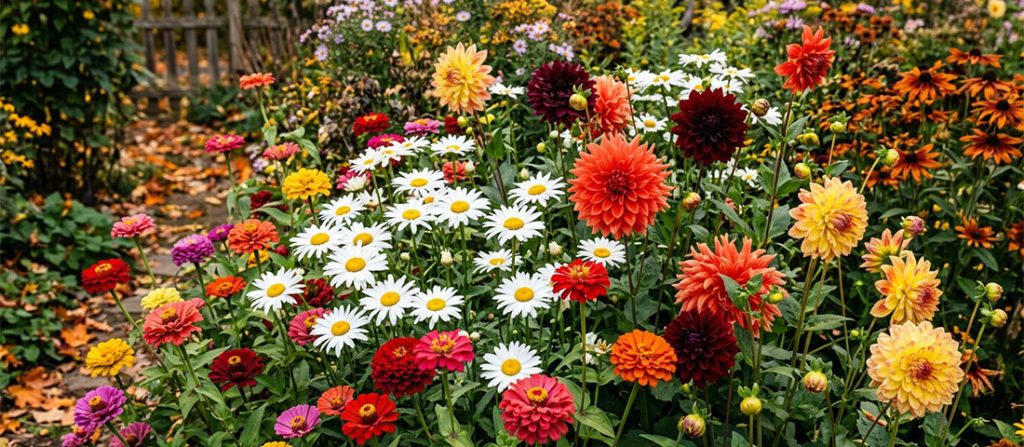
What plants to cut back in the fall and what to leave.
To some extent its more a question of your personal style and goals. If you like a tidy garden free of rotting leaves and debris, we’ve put together a list of plants that can be safely cut back before winter hits. If you don’t mind a bit of clutter and are looking to provide food and homes for birds and beneficial insects, most pruning can wait until Spring. Not pruning can help protect a plant’s crown through the cold winter nights, but in some cases can contribute to future disease and insect infestations.
These benefit from removal of foliage to reduce disease, pests, or messy dieback:
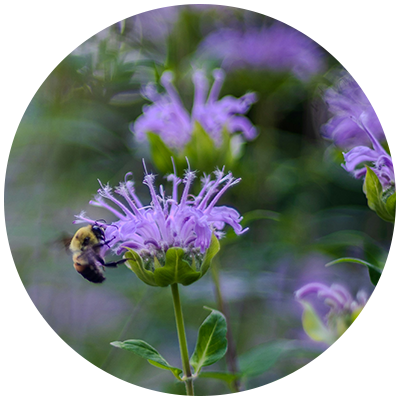
Bee Balm (Monarda): Prune after the first hard frost once the plant naturally dies back. If your bee balm suffered from powdery mildew during the summer, cutting it back to the ground in fall is essential to remove fungal spores. Throw away foliage that shows signs of powdery mildew; do not put it in your compost pile. If your plants were healthy, you can leave the hollow stems or seed heads standing through winter to feed birds and provide shelter for beneficial insects, then trim them back in early spring instead.
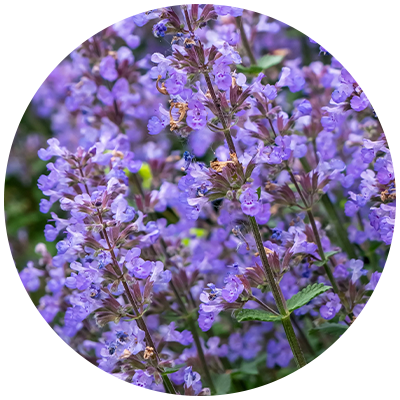
Catmint (Nepeta): If you choose to prune in the fall for a tidier look, cut the stems back to about 4 to 6 inches above the ground. Do not cut all the way to the soil line; leaving a few inches of stub/growth helps protect the root crown from severe winter weather. If your catmint suffered from fungal issues like powdery mildew during the summer, a fall cutback can help remove lingering spores and improve air circulation.
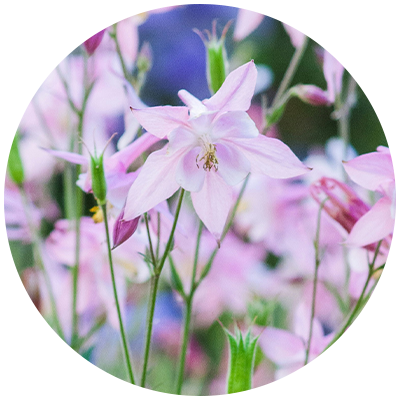
Columbine (Aquilegia): Wait until the green basal leaves turn yellow, brown, or naturally die back so the plant can finish storing energy in its roots for next spring. Trim the old stems and foliage down to about 2 to 3 inches above the soil level (near the crown). You can also leave the foliage intact through winter and trim it away right as new growth starts. Cut the leaves down immediately if they show signs of powdery mildew, leaf miners, or insect damage during the season, and throw the debris in the trash rather than the compost bin.

Coreopsis: Cut the stems down to 6 inches above the ground after the first hard frost. Leaving a few inches of stem helps trap snow and protect the crown from freeze-thaw cycles. Apply 2 to 3 inches of organic mulch or leaves around the base to insulate the roots. You can also leave the seed heads standing all winter for texture and bird food, then cut them back in early spring before new growth starts.
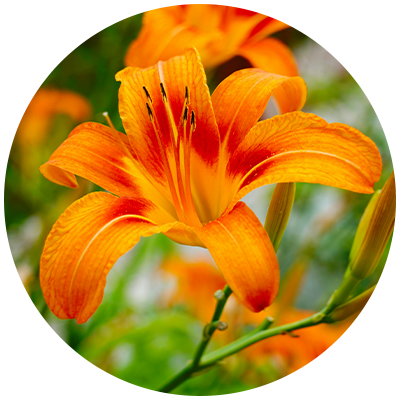
Daylilies (Hemerocallis): Trim away dead or collapsed foliage down to about 4 inches from the ground after frost kills the top growth. Do not prune green, active leaves too early. Healthy leaves continue to store energy in the roots for next season’s blooms.
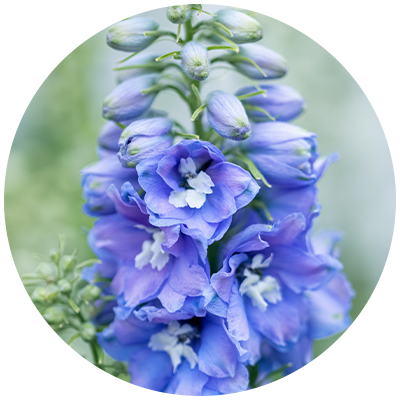
Delphiniums: Delphiniums have hollow stems that can trap moisture or harbor pests; cutting them low helps prevent rot and fungal disease, though some gardeners prefer leaving a few stalks standing to shelter beneficial insects over winter. Wait until the plant has finished blooming and the leaves turn yellow or die back naturally after the first hard frosts or in October. Cut the stems down low to about 2 inches (or 5 to 6 cm) above the ground using clean, sharp clippers. Apply a layer of mulch or well-rotted compost around the base (taking care not to smother the crown) to protect the plant from freezing temperatures and spring slugs. Wear gloves when handling delphiniums, as all parts of the plant are toxic and can cause skin irritation.
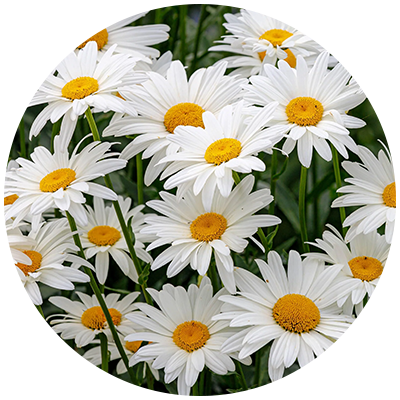
Shasta Daisies: Cut the stems down to 2 to 3 inches above the ground once the foliage turns yellow or the bloom cycle ends, generallly after the first hard freeze of the season. Remove all dead, yellowed foliage and debris from around the base to prevent pests and fungal diseases from overwintering.
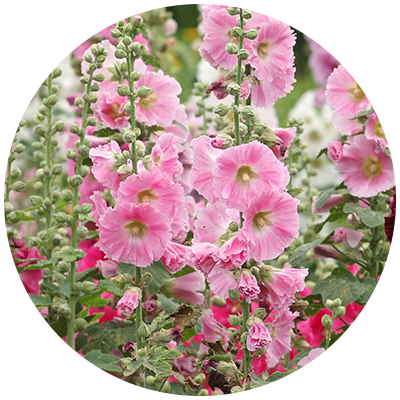
Hollyhocks: Cut the main flower stalks and leaves close to the ground after flowering wraps up to minimize rust and fungal issues. Wait until late fall (after the first hard freeze or when the plant turns brown and goes dormant). Use clean, sterilized shears to cut the main stalks down to ground level or leave a short stub of about 2 to 6 inches. Hollyhocks are prone to rust (a common fungal disease causing orange-brown spots). Remove and dispose of all dead leaves and cut stalks to prevent spores from winterizing and returning in the spring. Cut the stalks down before the seed pods open if you want to stop them from popping up everywhere.
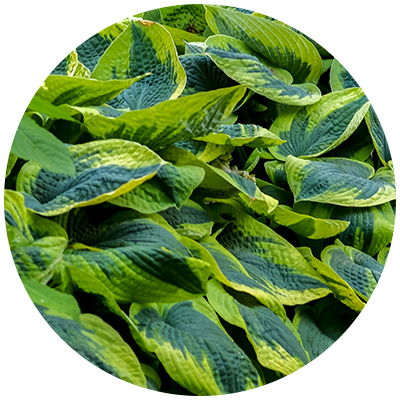
Hostas: Cut back all leaves to ground level after a hard frost. Doing this removes the damp, decaying foliage that serves as an ideal winter habitat for slug and snail eggs.
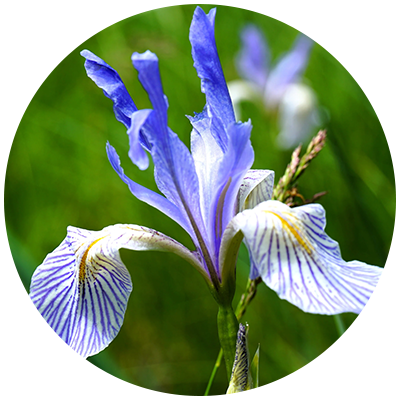
Bearded Iris (Iris germanica): Trim the leaves back into a fan shape about 6 inches high after a hard frost. Remove any damaged or brown leaves to prevent iris borers and crown rot.
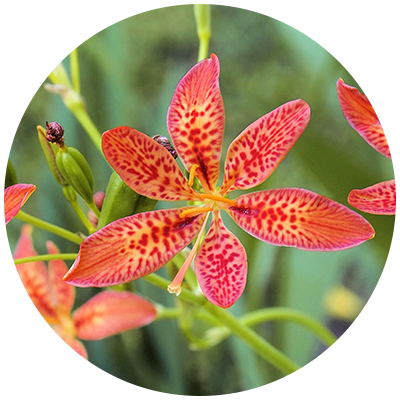
Blackberry Lily (Iris domestica): Blackberry lily are not true lilies, but members of the Iris family. Cut back the foliage to the ground to prevent limp, rotting leaves from damaging the crown and to stop aggressive self-seeding. Remove the old flower stalks and seed pods before they split open and scatter seeds across your garden (unless you want them to self-seed or stay for winter interest).
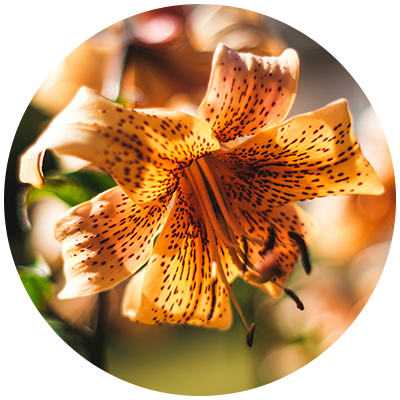
True Lilies (Lilium): Asiatic, Oriental, and Trumpet lilies. Snip the stalk down near the soil line only after the leaves have turned yellow or brown and died back on their own. Remove the yellowed stalks and clear away old plant debris from around the base to prevent pests and fungal diseases over the winter.
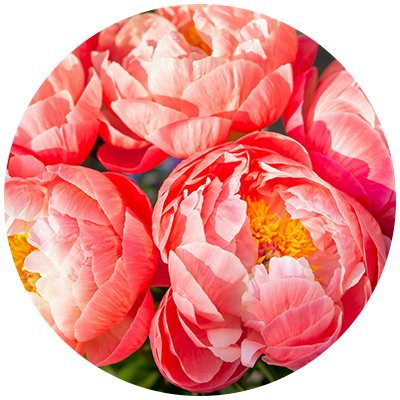
Peonies: Cut herbaceous varieties down to about 1 to 2 inches above the ground after the first frost. Be careful not to damage the pink “eyes” (buds) for next year. Bag and trash the leaves—especially if they had powdery mildew or botrytis—rather than composting them.
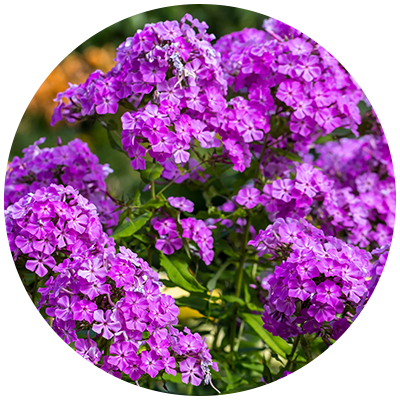
Garden Phlox (Phlox paniculata) Cut back to 2 to 3 inches above the ground. Like Bee Balm, it is heavily susceptible to powdery mildew, so removing and discarding the old stems helps prevent the fungus from overwintering. Wait until after a hard killing frost turns the foliage and stems brown. Some gardeners prefer to leave the dead stalks standing over winter to provide shelter for beneficial insects, then cut them back in early spring before new growth emerges.
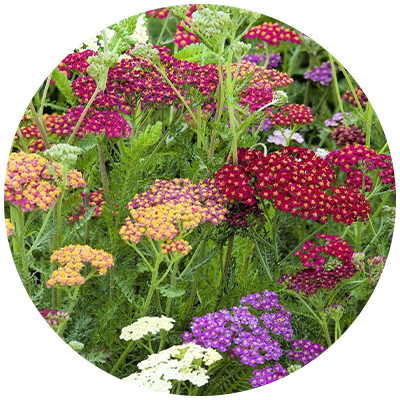
Yarrow (Achillea millefolium): Trim back the brittle, brown stems and foliage down to 2 to 3 inches above the ground to promote clean air circulation. Wait until the foliage dies back and the plant enters dormancy, ideally after a few hard freezes. Some gardeners leave old stalks and seed heads as they provide winter structure and food for birds. Also, the leftover foliage helps insulate the crown through harsh winter weather.
Focus on diseased, damaged, or pest-infested material first. Clean tools between plants if disease is present.
Plants you should generally not cut back in fall
Leave these standing (or prune only lightly/dead wood) for better winter survival, next year’s blooms, or ecological benefits:
Spring-blooming shrubs that flower on old wood — Lilacs, forsythia, azaleas, rhododendrons, and many viburnums. Their flower buds form on the previous season’s growth; fall pruning removes next spring’s display. Prune these right after they finish blooming instead.
Bigleaf hydrangeas (Hydrangea macrophylla), Climbing hydrangeas (Hydrangea anomala subsp. petiolaris), Mountain hydrangeas (Hydrangea serrata) and Oakleaf hydrangeas (Hydrangea quercifolia) — Prune immediately after they finish blooming in mid-to-late summer (typically June or July) These hydrangeas bloom on “old wood” (growth from the previous year). They set their new flower buds for the following year in late summer and early fall (August and September). Pruning in late winter, spring, or fall cuts off next year’s blooms. (Panicle and smooth hydrangeas that bloom on new wood are more flexible and can often be pruned later or in late winter/early spring.)
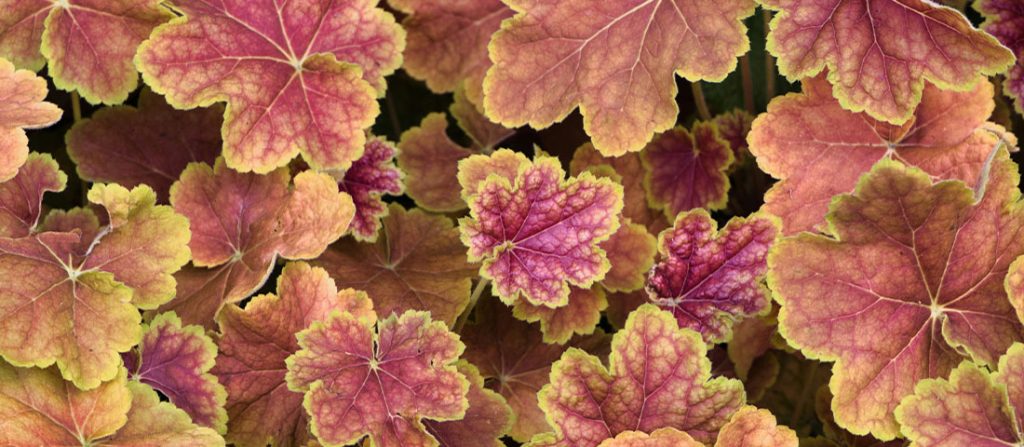
Evergreen or semi-evergreen perennials — Hellebores, heucheras (coral bells), epimediums, hardy geraniums in many cases, dianthus, moss phlox, candytuft, etc. Tidy in spring as needed.
Plants whose foliage protects the crown — Garden mums, Russian sage, lavender, red-hot pokers (Kniphofia), Montauk daisies, and similar. Leaving stems can help insulate roots against freeze-thaw cycles.
Seed-head and structural perennials for wildlife and winter interest — Coneflowers (Echinacea), black-eyed Susans (Rudbeckia), ornamental grasses, sedums, Joe-Pye weed, asters, goldenrod, and many others. Seed heads feed birds; stems shelter beneficial insects. Cut these in early spring when new growth appears.
Roses — Avoid hard pruning in fall in colder climates; it can encourage tender growth that winter kills or expose the plant. Remove only dead/diseased canes; major shaping is better in late winter/early spring once the worst cold has passed.
Fruit trees and oaks — Fall pruning increases disease risk (e.g., oak wilt for oaks) and can reduce hardiness or next year’s crop. Wait until full dormancy (late winter) for most deciduous fruit trees.
Additional thoughts:
Dead, damaged, or diseased wood can (and usually should) be removed anytime—it doesn’t wait for a “perfect” season.
Leave ornamental grasses and many seed-producing perennials up for winter structure and habitat; they look good frosted or snow-covered.
After cutting back disease-prone plants, dispose of the material (bag it) rather than composting if mildew or other issues were present.
Mulch crowns of more tender plants after the ground freezes for extra protection.
When in doubt about a specific plant, check whether it blooms on old wood (previous season’s growth) or new wood, and whether it has a history of disease in your garden.