The Webster Viridarium
Plus suggestions for storing, curing, fermenting, pickling, and ranking your hot peppers
So just when do you pick those hot peppers?
To determine when hot peppers are ready to be picked requires observation of the peppers color, size, firmness, and (for some varieties) corking. They can be harvested green or fully ripe, depending on the variety and the flavor/heat level you’re looking for.
Primary signs of readiness
- Color change: Most start green and turn their mature color (red, orange, yellow, etc.). This is the clearest sign of full ripeness. Fully colored peppers generally have better flavor, more sweetness, and higher heat (more developed capsaicin). Peak heat often occurs just as they begin changing color.
- Full size: The pepper has reached the expected mature size for its variety (check the seed packet) and has stopped growing larger. Homegrown ones may be a bit smaller than store-bought.
- Firmness and feel: The pepper should feel firm (not soft or wrinkled, unless slightly soft when fully ripe on some types). It often pulls or snaps off the plant more easily when ready.
- Corking (common on jalapeños and some other hot peppers): These look like white/tan/brown stretch marks or fine cracks on the skin. They form when the pepper grows faster than its skin can stretch. Corking is normal, harmless, and often signals maturity, good flavor, and higher heat. Many growers prefer corked jalapeños.
Variety-specific considerations
- Jalapeños: Often picked green (deeper green color, full size, ideally with some corking) for the classic savory/smoky flavor. They can turn nearly black then bright red; red ones are sweeter and can be hotter. Wait 1–2 weeks after full size if picking green.
- Habaneros: Best when fully colored (usually bright orange or red, depending on the type). Green ones lack the full floral flavor and heat—be patient.
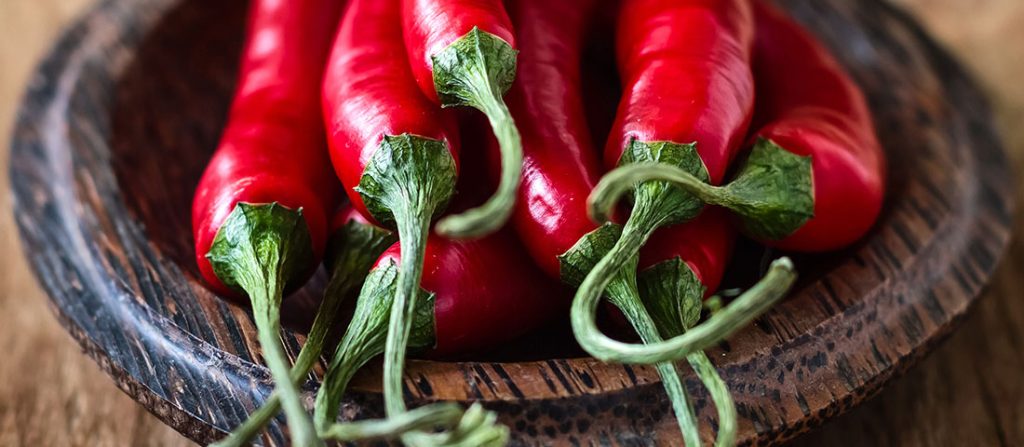
- Cayenne and similar thin/hot types: Harvest when fully bright red for best flavor and heat. Green ones are milder and less flavorful.
- Other hot peppers (serranos, Thai, superhots like ghost/reaper, etc.): Follow the color change for maximum quality. Superhots take the longest (often 100–150+ days from transplant).
Peppers are edible at any stage once fully formed, but green ones are typically less sweet, more bitter, and milder in heat. Fully ripe ones have more nutrients (like carotenoids) and better developed flavor.
Harvesting suggestions
- Use clean pruners/scissors or gently twist/pull upward while supporting the plant to avoid damaging stems/branches. Leave a short stem attached if possible.
- Wear gloves with very hot varieties—capsaicin oil can irritate skin and eyes.
- Pick regularly as they ripen. This encourages the plant to keep producing more fruit.
- Before frost: Harvest everything (even unripe full-sized ones). Fully formed peppers can finish ripening somewhat indoors; tiny ones usually won’t.
Timing reference: Most hot peppers take roughly 70–100+ days from transplant to first ripe fruit (longer for superhots), under good conditions. Individual peppers on the same plant ripen at different times.
Check your specific variety’s expected mature color and size for the best results. Experiment by picking some at different stages to see what you prefer.
Visit Pepper Geek for all you need to know about peppers.
Short-term Pepper Storage
Hot peppers should be refrigerated if you want to keep them fresh for more than a few days.
- Counter (1–3 days): Fine only if you plan to use them immediately. Keep them in a cool, dry spot out of direct sunlight.
- Refrigerator (1–3 weeks): Ideal storage temperature is between 40°F and 45°F.
Best Practices for Storing Hot Peppers in the Fridge
- Do not wash them beforehand: Moisture encourages mold and rotting. Only wash them right before you are ready to cook or eat them.
- Keep stems attached: Leaving the stems intact helps prevent early decay.
- Use a breathable bag: Place whole peppers inside a perforated plastic bag or a breathable paper bag. Keep them in the crisper drawer.
- Store cut peppers separately: Sliced or chopped hot peppers should go into an airtight container lined with a dry paper towel and used within 3 to 4 days
Freezing Hot Peppers
Unlike many vegetables, hot peppers don’t need to be blanched before freezing. Their color and flavor hold up well with just the basic prep and freezing steps.
Preparation Steps
- Wash and dry: Clean the peppers thoroughly in water and pat them 100% dry with a towel so they do not stick together with ice.
- Choose whole or cut: Leave small hot peppers (like jalapeños or serranos) whole with stems trimmed, or slice larger hot peppers in halves or slices with stems and seeds removed.
Freezing Methods
- Direct Freeze: Place whole or pre-cut peppers straight into a heavy-duty ziploc freezer bag.
- Flash Freezing: Lay cut pepper pieces in a single layer on a parchment-lined baking sheet for one hour until frozen solid, then transfer them to a bag to prevent clumping.
- Remove Air: Squeeze out as much excess air as possible before sealing the bag tightly to prevent freezer burn.
Curing Hot Peppers
Curing harvested hot peppers primarily means drying them thoroughly so they store well for months or years without molding. Properly dried peppers can be used whole, ground into flakes or powder, or reconstituted later.
Thinner-skinned varieties (cayenne, Thai, tabasco, pequin, etc.) dry most easily. Thicker-walled ones (jalapeños, habaneros, poblanos) need more care—slice them open for better results and lower mold risk.
Preparation
- Harvest fully ripe peppers (or near-ripe) and wash them in warm water.
- Pat completely dry.
- Wear gloves, especially with hot varieties—capsaicin can irritate skin and eyes.
- Leave stems on for hanging methods; remove or leave as preferred for trays.
Main Drying Methods
1. Food Dehydrator (fastest and most reliable)
- Slice larger/thicker peppers in half lengthwise (seed side up is fine). Leave small thin peppers whole.
- Arrange in a single layer with space for airflow.
- Set to 125–135°F (about 52–57°C).
- Dry 4–12+ hours (check periodically; thinner pieces finish sooner). They’re done when brittle or leathery and snap when bent.
- Suggestion: Do this in a garage, outdoors, or well-ventilated area—hot peppers release airborne capsaicin that can irritate eyes, throat, and lungs.
2. Air / Hang Drying (traditional, low-effort)
Best in dry climates with low humidity and good airflow. Humid areas risk mold.
- Thread a needle with strong string, twine, fishing line, or dental floss.
- Push the needle through the stems and space the peppers slightly for air circulation.
- Hang in a warm, dry, well-ventilated spot (indoors near a window or outdoors in shade/sun if dry and protected from rain).
- For a decorative ristra, bunch them more tightly or create a classic hanging string.
- Takes 2–6 weeks (or longer). They’re ready when fully dry, wrinkled, and brittle.
- Thin-walled peppers work best this way.
3. Oven Drying
- Preheat to the lowest setting, ideally 125–150°F (or as low as your oven goes). Prop the door open slightly with a wooden spoon or foil ball for moisture escape.
- Slice thicker peppers; leave small ones whole. Place seed-side up on a parchment-lined baking sheet or cooling rack in a single layer.
- Dry several hours, rotating/flipping every 30–60 minutes. Watch closely to avoid cooking or burning.
- Done when brittle.
4. Sun / Passive Air Drying
- In arid, hot climates: spread on screens, trays, or racks in full sun (or a sunny window), turning regularly. Cover lightly to keep dust off.
- Small thin peppers can dry on a plate or cooling rack indoors in a warm, dry spot.
- Takes 1–3 weeks; bring indoors at night or if humidity rises.
When They’re Fully Cured/Dry
Peppers should feel completely dry, brittle (or leathery for some thicker types), and snap cleanly. Any softness or flexibility means residual moisture that can cause mold in storage.
Storage
- Cool completely.
- Store whole in airtight glass jars or sealed bags in a cool, dark, dry place.
- Properly dried peppers keep 6–12 months or longer (flavor fades over time).
- For powder/flakes: grind with a spice grinder, coffee grinder (dedicated if possible), mortar and pestle, or in a bag with a rolling pin. Work in a ventilated area or outdoors—powder is intense.
A few additional thoughts
- Discard any that show mold, soft spots, or off smells during drying.
- Fully dried peppers can be left hanging as decor and plucked as needed.
- Other preservation options (if you don’t want to dry): freeze, pickle, make hot sauce/jelly, or ferment (see below).
- Drying concentrates flavor and heat.
Fermented Hot Peppers
Fermenting hot peppers into hot sauce (lacto-fermentation) creates complex, tangy, probiotic-rich sauce with deeper flavor than quick vinegar-based versions. The natural lactic acid bacteria on the peppers convert sugars into lactic acid, lowering pH and preserving the mix while developing funky, fruity notes.
Two main approaches exist: brine fermentation (peppers submerged in salted water—easier for beginners, lower mold risk) and mash fermentation (chopped/salted peppers with little or no added water—more intense, concentrated flavor).
Basic Ingredients & Salt Ratios
- Fresh ripe hot peppers (any variety or mix; wash gently but don’t scrub off natural bacteria).
- Non-iodized salt (sea salt, kosher, or Himalayan—avoid table salt with iodine or anti-caking agents).
- Optional: garlic, onion/shallot, carrot (adds sweetness and aids fermentation), fruit (mango, pineapple), spices.
- Filtered or dechlorinated water (chlorine can hinder fermentation).
Salt guidelines (by weight is most accurate):
- Brine method: 2.5–5% salt relative to the water (3–3.5% is a popular sweet spot). Example: 30–35 g salt per 1,000 g (1 liter) water.
- Mash method: 2–3% salt relative to the weight of the peppers (and any other solids).
- Higher salt (around 5%) slows fermentation and helps longer storage; lower salt ferments faster but needs closer monitoring.
Equipment
- Clean glass jars (mason jars work well).
- Fermentation weights, a small jar, or a cabbage leaf + zip-bag of brine to keep solids submerged.
- Optional: airlock lids or loose lids (you must “burp” daily).
- Blender or food processor for the finished sauce.
- Gloves (recommended for hot varieties).
Step-by-Step: Brine Method (Beginner-Friendly)
- Roughly chop or leave peppers whole (remove stems; seeds optional for extra heat). Add garlic, sliced carrot, etc. if desired.
- Pack into a clean jar, leaving 1–2 inches headspace.
- Dissolve salt in filtered water to make your brine (e.g., 1¼ tsp fine sea salt per cup of water ≈ 3%).
- Pour brine over the peppers until fully submerged. Weigh everything down so nothing floats above the liquid.
- Cover loosely (or use an airlock). Place the jar in a bowl to catch overflow.
- Ferment at room temperature (ideally 65–75°F / 18–24°C) in a spot out of direct sun for 5–14 days (or longer—up to several weeks).
Signs of healthy fermentation: bubbles, cloudy brine, pleasant sour/tangy smell.
Burp the jar daily if using a solid lid. Skim any white kahm yeast (harmless) if it appears; discard if you see colorful mold or foul smells. - Once it tastes pleasantly sour and the peppers have softened, strain (save the brine). Blend the solids with some of the reserved brine until smooth. Adjust thickness with more brine. Optional: add a splash of vinegar (apple cider or white) for extra tang and shelf stability, plus herbs/spices to taste.
- Bottle and refrigerate. It continues to develop slowly in the fridge and keeps for many months (often indefinitely if acidic enough).
Step-by-Step: Mash Method (More Intense Flavor)
- Finely chop or roughly blend the peppers (and any add-ins).
- Weigh the mixture and mix in 2–3% salt by weight. The salt will draw out liquid.
- Pack tightly into a jar, pressing down so the released liquid covers the mash. Top with a weight or plastic wrap pressed against the surface to minimize air contact.
- Ferment the same way as above (1–4 weeks). Monitor for mold more carefully—spraying the surface lightly with vinegar can help prevent it.
- Blend the finished mash with a bit of the liquid (or added water/vinegar) to sauce consistency.
Finishing & Storage Tips
- Taste as you go—fermentation mellows heat over time.
- For a thinner Louisiana-style sauce, blend with more brine or vinegar. For thicker sauces (Sriracha-like), use less liquid or add a bit of xanthan gum if desired.
- Refrigerate the finished sauce. Leave lids slightly loose or use bottles that can vent, as it may continue producing gas.
- pH ideally drops below 4.0–4.6 for safety (optional testing strips help). Adding vinegar after fermentation boosts acidity and stability.
- Always start with clean equipment and keep solids under the liquid during fermentation.
Troubleshooting
- No activity after a few days → check salt level (too high kills bacteria), water quality, or temperature (too cold slows it).
- Mold → usually from floating solids exposed to air. Start over if mold is colored or fuzzy and widespread.
- Too salty or too hot at first → it often mellows after a week or two in the fridge.
Fermented hot sauce is very forgiving once you get the salt and submersion right. Start with a small batch of milder peppers (or mix in some bell peppers) to learn the process. The result is a living, flavorful sauce that improves with a bit of age in the fridge. Enjoy experimenting with different pepper varieties and add-ins!
Pickled Hot Peppers
Produces 4 Pint jars of Pickled Peppers
Ingredients
- 2 lb hot peppers
- 8 cloves garlic, crushed, peeled
- 1 tbsp whole black peppercorns
- 8 allspice berries
- 2 bay leaves
- 1 1/2 cups apple cider vinegar
- 1 cup white wine vinegar
- 2 1/2 cups water
- 2 tbsp kosher salt
- 2 tsp white sugar
- 1/4 cup olive oil
Instructions
- Divide the garlic, black peppercorns, allspice berries and bay leaves equally between four pint mason jars.
- Cut your peppers into rounds, or if pickling whole, slice a slit length-wise down the pepper.
- Stuff the jars full of peppers.
- Combine the vinegars, water, salt and sugar in a sauce pan. Bring to a boil. Whisk to dissolve salt and pepper.
- Divide the vinegar solution among the four jars, filling to 1/2″ below the rim. Top each jar with a tablespoon of olive oil.
- Cover the jars with two piece lids. Process the jars for 10 minutes in a boiling water bath.
- Store for three weeks before eating. Refrigerate after opening.
Hot Sauce Recipes
Too much trouble? Buy Huy Fong’s Sriracha Sauce.
Scoville Pepper Heat Rankings
The Scoville scale measures the capsaicin concentration of chili peppers using Scoville Heat Units (SHU).
The original test was created in 1912 by pharmacist Wilbur Scoville, who mixed pepper extract with sugar water and fed it to a panel of tasters to determine when they could no longer detect the pepper’s heat. The score reflects how many times the extract needed dilution in water. For example, diluting one drop of pepper extract 5,000 times translates to 5,000 SHU. Today, modern labs use high-performance liquid chromatography (HPLC) to measure exact capsaicinoid levels instead of human taste buds.
Pepper Rankings
The current world record holder for the hottest pepper is Pepper X at 2,693,000 Scoville Heat Units (SHU).
Extreme Heat (1,000,000+ SHU)
These peppers are classified as “super-hots” and are typically handled with gloves.
- Pepper X: 2,693,000 SHU (Current Guinness World Record Holder)
- Dragon’s Breath: ~2,480,000 SHU
- Carolina Reaper: 1,400,000 to 2,200,000 SHU
- Komodo Dragon: 1,400,000 to 2,200,000 SHU
- Trinidad Moruga Scorpion: 1,200,000 to 2,000,000 SHU
- Ghost Pepper (Bhut Jolokia): 855,000 to 1,041,427 SHU
Very Hot (100,000 to 350,000 SHU)
Popular in Caribbean cooking, these varieties offer an intense, sudden burst of heat.
- Red Savina Habanero: 350,000 to 580,000 SHU
- Scotch Bonnet: 100,000 to 350,000 SHU
- Habanero: 100,000 to 350,000 SHU
Medium Heat (10,000 to 100,000 SHU)
Commonly dried into spices, flaky seasonings, or used raw in hot sauces.
- Thai Pepper (Bird’s Eye): 50,000 to 100,000 SHU
- Cayenne Pepper: 30,000 to 50,000 SHU
- Tabasco Pepper: 30,000 to 50,000 SHU
- Serrano Pepper: 10,000 to 25,000 SHU
Mild to No Heat (0 to 10,000 SHU)
Everyday culinary peppers providing flavor with minimal to manageable spice.
- Fresno Chili: 2,500 to 10,000 SHU
- Jalapeño: 2,000 to 8,000 SHU
- Poblano (Ancho): 1,000 to 2,000 SHU
- Pepperoncini: 100 to 500 SHU
- Bell Pepper: 0 SHU