We saw “Tons of Money” at the Royal George Theatre. Not the most advertised show at this year’s festival, but it was absolutely fabulous. A truly fun show. Mike Nadajewski and Julia Course kept the audience engaged from the opening curtain until the final bows.
Julie Course and Mike Nadajewski, stars of Tons of Money
Growing tomatoes in Webster, NY (Zone 6a) requires attention to climate, soil, and timing! Tomatoes thrive in warm weather, with at least 6–8 hours of sun, well-drained soil, and consistent care. Here are our suggestions to maximize your harvest.
1. Timing and Starting
Start Date: Mid-May is ideal for planting tomatoes in Webster. The last frost is typically early May (around May 5–10), and soil temperatures should be above 60°F (check with a soil thermometer). Nighttime temps should consistently be above 50°F, which they likely are by May 15.
Transplants vs. Seeds: In May, use transplants (4–6-week-old seedlings) for a faster harvest. If you haven’t started your seeds, by May its too late in the season (they’re better started indoors in March). Buy healthy, stocky plants (6–10 inches tall) from a local nursery. Look for varieties suited to Zone 6a.
2. Choosing Varieties
Determinate vs. Indeterminate: Determinate tomato plants grow to a fixed size, they resemble more a bush than a vine and produce most of their fruit over a short period of time. They are preferred for canning and small spaces. Indeterminate tomato plants grow continuously and producing fruit all season. They resemble vines and requiring significant support. They are great for fresh eating throughout the summer.
For a small space, try 1–2 indeterminate plants (like Sungold for snacking) and 1 determinate (like Early Girl for a quick harvest).
Location: Pick a sunny spot with 6–8 hours of direct sun.
Soil:
Type: Tomatoes need well-drained, loamy soil with pH 6.0–6.8 (test with a kit; adjust with lime to raise pH or sulfur to lower).
Amendments: Mix in 2–3 inches of compost or aged manure to boost fertility. Webster’s clay-heavy soil benefits from adding perlite or sand for drainage.
Spacing: Plant your tomato plants 2–3 ft apart (e.g., 2 ft for Sungold, 3 ft for Big Beef) to allow air circulation and reduce disease.
4. Planting
Depth: Dig a deep hole or trench (8–10 inches). Strip lower leaves and plant so only the top 2–4 inches of the stem are above ground—roots will form along the buried stem, making the plant sturdier.
Support: Install stakes, cages, or trellises at planting time (avoid damaging roots later). Indeterminate varieties like Sungold need a 5–6 ft stake or cage. Determinate ones like Early Girl can use a 4 ft cage.
Companion Planting: Tomatoes pair well with marigolds (repel pests) or basil (improves flavor, deters insects). Plant these nearby but avoid overcrowding.
5. Care and Maintenance
Watering: Water deeply (1–2 inches per week) at the base, not overhead, to prevent fungal diseases like blight. Keep soil consistently moist but not soggy. Mulch with 2 inches of straw or shredded bark to retain moisture and keep soil temperature stable.
Fertilizing:
At planting: Add a balanced fertilizer (e.g., 10-10-10) or compost tea.
During growth: Side-dress with a high-phosphorus fertilizer (e.g., 5-10-10) when flowers form, then every 3–4 weeks. Avoid high-nitrogen fertilizers after flowering—they promote leaves over fruit.
Pruning: For indeterminate varieties, pinch off suckers (small shoots between the main stem and branches) to focus energy on fruit. Leave determinate varieties unpruned.
Pest/Disease:
Common pests in Webster: Aphids, hornworms. Hand-pick hornworms; use insecticidal soap for aphids.
Diseases: Early blight (brown spots on leaves) is common in humid summers. Use drip irrigation, ensure good air circulation, and apply a copper-based fungicide if needed.
Deer: If deer are an issue, use netting or plant deer-repellent marigolds nearby.
6. Harvest and Timing
When: Harvest starts ~60–80 days from planting (mid-July to early August for Early Girl, late August for Big Beef). Pick when fruits are fully colored and slightly soft to the touch.
Frost Protection: First frost in Webster is ~October 5–15. Cover plants with row covers or bring potted tomatoes indoors if frost threatens before harvest is done.
Yield: Expect 5–10 lbs per plant for determinate varieties, 10–15 lbs for indeterminate, depending on care and weather.
Growing Tomatoes in Webster
Weather: July–August can hit 85°F with humidity. Mulch heavily and water in the morning to prevent leaf scorch.
Nurseries: Most garden centers have tomato transplants in the spring. Many also sell cages and organic fertilizers.
Community: Cornell Cooperative Extension of Monroe County offers free tomato-growing workshops—check their website or call (585-461-1000).
Timeline
May 13–15: Buy transplants, prep soil, plant, install supports.
Making nectar for hummingbirds is straightforward, safe, and effective if you follow a few key guidelines. It mimics the natural nectar they get from flowers and provides the energy Hummingbirds need.
Hummingbird Nectar Recipe
Ratio: Mix 1 part white granulated sugar to 4 parts water (e.g., 1 cup sugar to 4 cups water). This closely matches the 20–25% sugar concentration of natural flower nectar hummingbirds prefer.
Steps:
Boil the water to kill any bacteria or mold spores.
Stir in the sugar until fully dissolved.
Let it cool to room temperature before filling your feeder.
Storage: Store extra nectar in a clean container in the fridge for up to 1 week. Shake or stir before using.
What to Avoid
No Substitutes: Don’t use honey (it ferments and can grow harmful bacteria), brown sugar, artificial sweeteners, or molasses (they lack proper nutrients and may harm birds).
No Red Dye: It’s unnecessary and potentially toxic. Hummingbirds are drawn to the red color of the feeder itself (like your saucer-style feeder with yellow ports).
No Additives: Skip flavorings, vitamins, or other additives. Hummingbirds get protein and micronutrients from insects in your garden (e.g., from Blazing Star or New England Aster).
Feeder Tips for Webster, NY
Frequency: Refill every 2–3 days, even if it’s not empty, to keep nectar fresh. In summer heat (July–August in Webster), check daily—nectar spoils faster above 80°F.
Cleaning: Clean the feeder every refill with a 1:10 vinegar-water solution (e.g., 1 tablespoon white vinegar to 10 tablespoons water). Rinse thoroughly. Mold or fermentation can cause tongue infections in hummingbirds, which can be fatal.
Amount: For one feeder in a small garden, 1 cup of nectar (1/4 cup sugar + 1 cup water) is enough per batch. Ruby-throated Hummingbirds consume about 1–2 teaspoons daily each, and you’ll likely attract 1–3 birds regularly.
Seasonal Notes
Spring (May): Hummingbirds arrive in Webster around May 1–10. Have fresh nectar ready by late April to welcome them.
Fall (September): They leave by mid-September. Keep nectar out until you don’t see birds for a week—late migrants might stop by.
Winter: Remove and store the feeder after they’re gone to prevent freezing damage.
Hummingbird Nectar Troubleshooting
Not Drinking?: Ensure the feeder is near flowers. Check for mold or spoiled nectar. If it’s new, give birds a week to find it.
Too Many Birds?: Ruby-throated Hummingbirds are territorial. If fighting occurs, add a second feeder 10–15 ft away to reduce competition.
Insects?: If you notice ants or bees at the feeder, use an ant moat (a water-filled barrier) or bee guards on the ports. Your saucer-style feeder typically has these features.
Creating a Hummingbird Friendly Garden
Plant Selection
For our example, we’re using native plants ideal for Zone 6a, chosen for nectar production, tubular flowers, and appeal to Ruby-throated Hummingbirds. They’re grouped by bloom time to ensure nectar from May to September. All are perennials unless noted and suited to a small space (approximately 10×10 ft.), in an area of yard providing sun to partial shade.
Early Spring (April–May):
Wild Columbine (Aquilegia canadensis): Red-yellow tubular flowers, 1–2 ft tall, shade-tolerant, self-seeds. Plant 5–7 for a cluster.
Scarlet Sage (Salvia coccinea): Red, 1–2 ft, sun, blooms until frost if deadheaded. Annual but self-seeds. Plant 5–7.
New England Aster (Symphyotrichum novae-angliae): Purple, 2–3 ft, supports late-season insects. Plant 3–5.
Non-Native Option (for variety):
Fuchsia (hanging basket): Colorful, pendulous, 1–2 ft, shade-tolerant, annual in Zone 6a. Use 1–2 baskets.
Why These?:
Natives support local ecology and are low-maintenance. These species are deer-resistant (common in Webster) and thrive in local clay-loam soils with minimal amendments.
Staggered blooms cover the hummingbird season (May–September).
Compact sizes fit a small garden while providing bold color clusters.
Garden Layout
Our example layout maximizes nectar visual appeal, and hummingbird comfort. Adjust based on your yard’s exact shape or shade.
Back Row (along fence or edge):
3 Bee Balm (center, for height and red pop).
2 Cardinal Flowers (flanking Bee Balm, for moist spots or partial shade).
3 New England Aster (for late-season nectar and insects).
Feeder: Hang 1 saucer-style feeder, 4–5 ft high near Bee Balm, in partial shade to slow nectar spoilage.
Perch: Add a small Redbud tree (Cercis canadensis, 6–10 ft at maturity) in a corner or just outside the 10×10 plot for perching/nesting. Alternatively, use a shepherd’s hook with a dead branch.
Water: Place a shallow birdbath (1–2 inches deep) with a dripper or mister in the center or a corner. Refresh water every 2 days.
Setup and Maintenance
Soil Prep: Test soil (kits at local nurseries like The Garden Factory in Rochester). Add compost to clay soils for drainage. Most plants tolerate Webster’s soil but prefer pH 6.0–7.0.
Planting: Plant in spring (mid-May) after the last frost. Space plants 12–18 inches apart (per nursery tags). Water deeply after planting.
Watering: Keep soil moist but not soggy, especially for Cardinal Flower. Use drip irrigation or hand-water 1–2 times weekly (more in July heat).
Mulching: Apply 2 inches of shredded bark mulch to retain moisture and suppress weeds, keeping it 1 inch from stems.
Feeder Care: Use 1:4 sugar-water (1 cup sugar to 4 cups water, boiled, cooled). Clean feeder every 2–3 days with 1:10 vinegar-water to prevent mold. Refill before it empties to keep hummingbirds visiting.
Pruning: Deadhead Scarlet Sage and Bee Balm to extend blooms. Cut back perennials in late fall after frost.
Winter: Mulch perennials in November to protect roots. Store Fuchsia indoors or treat as an annual. Remove/clean feeder after hummingbirds leave (mid-September).
Local Tips for Webster
Migration Timing: Ruby-throated Hummingbirds arrive ~May 1–10 and depart ~September 10–20. Have feeders and Columbine ready by late April; keep Scarlet Sage and feeders up until late September for stragglers.
Nurseries: Visit our list of local plant sources. Many carry natives like Bee Balm and Columbine.
Pests: Deer are common; all listed plants are deer-resistant. Watch for slugs on Cardinal Flower (use diatomaceous earth). Avoid pesticides to protect hummingbirds and their insect prey.
Community: Join Rochester’s Native Plant Society or Cornell Cooperative Extension (Monroe County) for free advice. They offer workshops on pollinator gardens.
Sample Schedule
April: Prep soil, buy plants, set up feeder by May 1.
May: Plant, water regularly, monitor for hummingbirds.
Nothing raises a bird watchers blood pressure like seeing a squirrel dangle upside down on the side of a bird feeder while gorging itself on expensive seed.
If the squirrels aren’t pigging out on bird seed they’re digging holes in your garden in search of tasty bulbs and uprooting plants along the way.
The more your yard resembles a smorgasbord, the larger the number of unwanted visitors you will have.
Luckily there are a few things you can do to make your property less of a Happy Meal.
Plants that Squirrels dislike.
Alliums
Daffodils
Fritillaries
Marigolds
Mint
Nasturtiums
You won’t see a lot of squirrels chomping on daffodil bulbs. Daffodil bulbs contain a toxic alkaloid called lycorine that is harmful to squirrels, other rodents, and humans.
Apparently the bulbs of Fritillaries have an unpleasant flavor, so squirrels tend to leave them alone.
Alliums, Marigolds, Narturtiums, and Mint all have scents that squirrels find to be repugnant. Consider planting them in proximity to vulnerable plants.
Over the years, we’ve purchased a wide variety of bird feeders. Some more squirrel proof than others. Durability has been an issue. Our existing tube feeders have become jammed up and no longer return to the open position after a squirrel departs. They have also become susceptible to moisture. Squirrels have also chewed threw springs and end caps of various feeders.
We’ve just purchased a new feeder that purports to be squirrel proof. We’ll let you know how it goes.
Before you pop those seeds in a pot, you might check and see if your seeds need a bit of a chill first.
As unpleasant as those cold winter nights can be, they provide many seeds with the signals they need to begin the germination process.
Cold stratification is done to imitate the moist, chilly winter weather that triggers a seed to sprout. Most perennial plant seeds require a combination of cold and damp to germinate.
Common varieties that require cold stratification for spring planting: (Varieties in bold are native to Central and Western, New York.)
Agrimony (Agrimonia@) – 30-60 days
Angelica (Angelica atropurpurea) – dry stratify#
Apple (Malus domestica) – 90-120 days
Arnica (Arnica spp.) – 30-74 days
Artichoke (Cynara cardunculus) – 30-44 days
Asparagus (Asparagus officinalis) – 21-30 days
Aster (Aster spp.) – 30-60 days
Basket of Gold (Alyssum saxatile) – 30-44 days
Bee Balm (Monarda didyma) – 21-30 days
Bellflower (Campanula spp.) – 30-44 days
Black Eyed Susan (Rudbeckia hirta) – 30-60 days
Bluebell (Phacelia spp.) – 60 days
Blueberry (Vaccinium spp.) – 30-120 days
Borage (Borago officinalis) – 30-44 days
Boxwood (Buxus sempervirens) – 30-60 days
Bugbane (Cimicifuga spp.) – 90-120 days
Butterfly Bush (Buddleia davidii) – 21-30 days
Cardinal Flower (Lobelia cardinalis) – 30-60 days
Catmint (Nepeta) – 14-30 days
Catnip (Nepeta cataria) – 14-30 days
Chamomile (Matricaria chamomilla) – 30-74 days
Cherry (Prunus spp.) – 90-120 days
Cohosh, Black (Actaea racemosa) – 60-90 days
Columbine (Aquilegia spp.) – 21-30 days
Comfrey (Symphytum officinale) – 30-60 days
Coneflower, Purple (Echinacea purpurea), Prairie (Ratibida) – 30 days
Cranberry (Vaccinium spp.) – 30-120 days
Delphinium (Delphinium spp.) – 14-30 days
Dianthus (Dianthus spp.) – 14-21 days
Dogwood (Cornus*) – 90-120 days
Edelweiss (Leontopodium alpinum) – 21 days
Elderberry (Sambucus spp.) – 60 days
Fireweed (Chamaenerion angustifolium) – 30-44 days
Forsythia (Forsythia x intermedia) – 30-90 days
Foxglove (Digitalis) – 14-30 days
Gentian (Gentiana**) – 60-90 days
Geranium (Geranium***) – 30-60 days
Ginkgo (Ginkgo biloba) – 30-90 days
Goldenrod (Solidago spp.) – 30-60 days
Goji Berry (Lycium barbarum) – 30-60 days
Good King Henry (Blitum bonus-henricus) – 60-74 days
Grapes (Vitis labrusca) – 90-120 days
Hawthorn (Crataegus) – 120 days
Hollyhock (Alcea rosea) – 90-120 days
Hyssop (Agastache spp.) – 30 days
Iris (Iris spp.) – 60-90 days
Ironweed (Vernonia gigantea) – 60-90 days
Joe Pye Weed (Eupatorium spp.) – 30-60 days
Kiwi Fruit (Actinidia spp.) – 30-60 days
Lady’s Mantle (Alchemilla Mollis) – 21-30 days
Larkspur (Delphinium exaltatum, Delphinium tricorne) – 14-30 days
Lavender (Lavandula spp.) – 7-30 days
Lemon balm (Melissa officinalis) – 7-44 days
Licorice (Helichrysum petiolare) – 14-30 days
Lilac (Syringa vulgaris) – 40-60 days
Lousewort, Canadian / Wood Betony (Pedicularis canadensis) – 30-90 days
Lupine, Wild Blue (Lupinus perennis) – 30-60 days
Magnolia (Magnolia spp.) – 60-90 days
Marshmallow (Althaea officinalis) – 30-44 days
Marsh Marigold (Caltha palustris) – 60-112 days
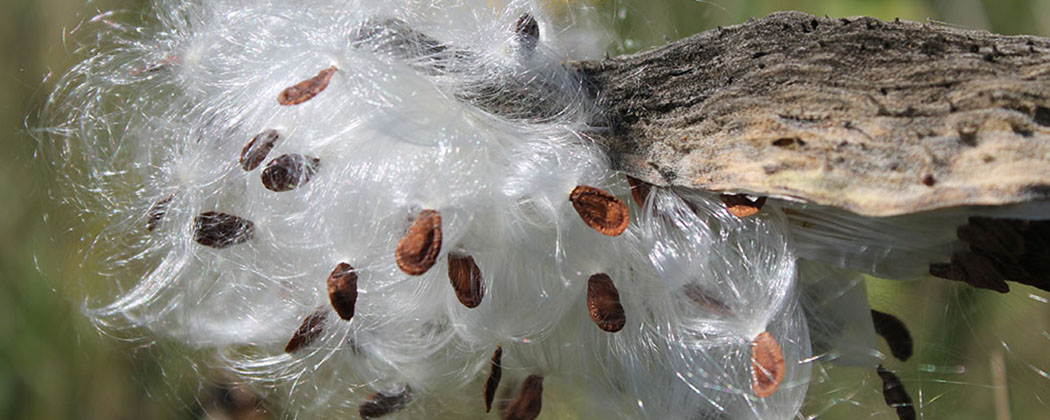
Milkweed (Asclepias spp.) – 30-60 days
Mock Orange (Philadelphus coronarius) – 30-60 days
Mugwort (Artemisia vulgaris) – 14-30 days
Mulberry, Red (Morus rubra) – 90 days
Mullein (Verbascum spp.) – 30 days
Oak, English (Quercus robur) – 90 days
Ox Eye Sunflower (Heliopsis helianthoides) – 30-60 days
Pawpaw (Asimina triloba) – 70 days
Peach (Prunus persica) – 60 days
Pear, European (Pyrus communis) – 60 days
Peony (Paeonia spp.) – 60 days
Persimmon, American (Diospyros virginiana) – 60-120 days
Phlox, Garden (Phlox paniculata) – 60 days
Poppy, Oriental (Papaver orientale) – 21-30 days
Primrose (Oenothera biennis) – 14-42 days
Raspberry (Rubus idaeus, Rubus occidentalis) – 60-120 days
Rhododendron (Rhododendron spp.) – 30-60 days
Rosemary (Rosmarinus officinalis) – 14-44 days
Rose, Wild (Rosa spp.) – 60 days
Sage, White (Salvia apiana) – 14-30 days
Self Heal (Prunella vulgaris) – 30 days
Serviceberry (Amelanchier spp.) – 90-120 days
Shooting Star (Dodecatheon meadia / Primula meadia^) – 30-90 days
Skullcap (Scutellaria lateriflora) – 30 days
St. John’s Wort (Hypericum**^) – 28-42 days
Sunflower, perennial (Helianthus*^^) – 30-60 days
Sweet Flag / Calamus (Acorus calamus) – 30-60 days
Sweet William (Dianthus barbatus) – 30-74 days
Tansy (Tanacetum vulgare) – 14-30 days
Thyme (Thymus genus) – 14-44 days
Trumpet Vine (Campsis radicans) – 30 days
Valerian (Valeriana officinalis) – 14-21 days
Vervain (Verbena hastata, V. urticifolia, V. simplex) – 30-60 days
Wintergreen (Gaultheria procumbens) – 30-72 days
Wisteria (Wisteria spp.) – 30-90 days
Witch Hazel (Hamamelis virginiana) – 60-120 days
Yarrow (Achillea spp.) – 14-30 days
Yucca (Yucca filamentosa) – 30-90 days
Paper Towel Cold Stratification
Spread the seeds in a single layer across double layers of damp paper towel. Wring the paper towel out so that it is not dripping wet.
Make sure each seed has good contact with the damp towel.
Insert the damp paper towel into a Ziploc bag or sealed container.
Label the container with the date and seed variety.
Place seeds in the back or bottom of your refrigerator where it is coldest. Do not place your seeds in the freezer.
In most cases, after 30 days your seeds will be ready to be removed from the refrigerator and potted. If seeds start to sprout in the refrigerator, remove them immediately and pot them in a suitable medium until it’s warm enough to plant them outdoors.
Potting Soil Cold Stratification
Instead of the paper towel, you can also dampen a small amount of your favorite potting mix until it can hold together in a ball. Mix the seeds into the mix (approximately 1 part seed to 3 parts soil) and then place them into a ziploc bag at the back of the refrigerator.
*^Native varieties of St. John’s Wort: Shrubby St. John’s Wort (Hypericum prolificum), Spotted St. John’s Wort (Hypericum punctatum), Pale St. John’s Wort (Hypericum ellipticum), St. Andrew’s Cross (Hypericum hypericoides / crux-andreae), Orangegrass/Pineweed (Hypericum gentianoides). The most prevalent species, (Hypericum perforatum) is not native to Central and Western New York.
In my garden, after a rainfall, you can faintly, yes, hear the breaking of new blooms.
Truman Capote
The optimist
The optimist sees the rose and not its thorns; the pessimist stares at the thorns, oblivious to the rose.
Khalil Gibran
After women
After women, flowers are the most lovely thing God has given the world.
Christian Dior
Love is like wildflowers
Love is like wildflowers; it's often found in the most unlikely places.
Ralph Waldo Emerson
Where flowers bloom
Where flowers bloom so does hope.
Lady Bird Johnson
Let us live like flowers
Let us live like flowers, wild and beautiful and drenched in sun.
Ellen Everett
A flower blossoms
A flower blossoms for its own joy.
Oscar Wilde
The garden suggests
The garden suggests there might be a place where we can meet nature halfway.
Michael Pollan
Coffee. Garden. Coffee.
Coffee. Garden. Coffee. Does a good morning need anything else?
Betsy Caas Garmon
No Gardening Mistakes
There are no gardening mistakes, only experiments.
Janet Kilburn Phillips
The hum of bees
The hum of bees is the voice of the garden.
Elizabeth Lawrence
When the world wearies
When the world wearies and society fails to satisfy, there is always the garden.
Minnie Aumonier
There is nothing that is comparable
There is nothing that is comparable to it, as satisfactory or as thrilling as gathering vegetables one has grown.
Alice B. Toklas
To plant a garden
To plant a garden is to dream of tomorrow.
Audrey Hepburn
Help us to be ever faithful
Help us to be ever faithful gardeners of the spirit, who know that without darkness nothing comes to birth, and without light nothing flowers.
May Sarton
I grow plants for many reasons
I grow plants for many reasons: to please my eye or to please my soul, to challenge the elements or to challenge my patience, for novelty or for nostalgia, but mostly for the joy in seeing them grow.
David Hobson
The Glory of Gardening
The glory of gardening: hands in the dirt, head in the sun, heart with nature. To nurture a garden is to feed not just the body, but the soul.
Alfred Austin
Flowers are the Music
Flowers are the music of the ground from earth's lips spoken without sound.
 The Webster Viridarium