The Webster Viridarium


Garden Fundamentals Videos by Robert Pavlis. Books by Robert Pavlis below.
Ontario Rock Garden & Hardy Plant Society Germination Guide

Seed Starting
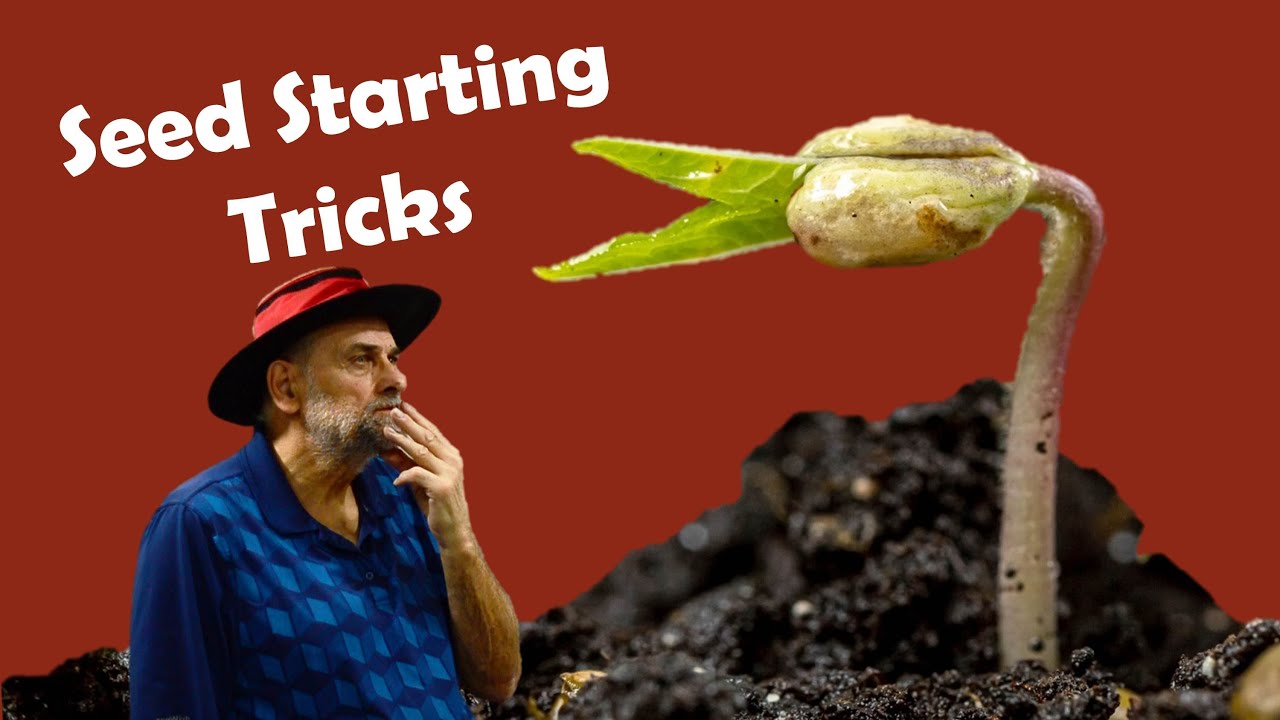
Starting seeds indoors is a great way to get a head start on your garden, save money, and grow a wider variety of plants. Here are our tips for growing seedlings successfully.
Timing is everything
Check your seed packets for the recommended “weeks before last frost” to start indoors (usually 4–8 weeks for most veggies and flowers). Here in Central & Western, NY (primarily USDA Zone 6a/6b) — the last frost is typically mid May.
Starting too early leads to leggy, overgrown seedlings; too late reduces the benefits.
Mid-February is prime time for many warm-season crops like tomatoes, peppers, and eggplants.
Gather the right supplies
- Seed-starting mix — Use a light, sterile, soilless mix (peat/coir + perlite) — never heavy garden soil, as it compacts and harbors diseases.
- Containers — Cell trays, small pots, or recycled containers (with drainage holes). Individual cells help avoid root disturbance later.
- Lights — Fluorescent or LED grow lights (full-spectrum, 12–16 hours/day once sprouted). South-facing windows often aren’t enough.
- Heat mat (optional but helpful) — Many seeds germinate best at 70–85°F soil temp.
- Dome or plastic cover — For humidity during germination.
- Labels
- Small fan (for air circulation later).
Step-by-step planting
- Moisten the mix thoroughly (it should feel like a wrung-out sponge).
- Fill containers, leaving a little space at the top.
- Sow seeds: Follow packet instructions for depth — rule of thumb: 2× the seed’s width deep. Plant 2–3 per cell (thin to the strongest later). Some seeds need light (press on surface, don’t cover).
- Gently press seeds in, cover lightly if needed, and label everything.
- Cover with a clear dome/plastic to trap humidity, and place on a heat mat if using one.
- Keep soil consistently moist (bottom-water or mist to avoid disturbing seeds).
Germination and early care
- Place in a warm spot (not direct sun yet).
- Once sprouts appear (3–21 days depending on type), remove cover, move under lights (2–4 inches above plants), and lower heat.
- Provide 14–16 hours of light daily; seedlings stretch toward light if it’s too dim or far.
- Water gently when the top inch dries slightly — overwatering causes issues.
- Use a small fan for gentle airflow to prevent mold and strengthen stems.
Common pitfalls to avoid
- Damping-off — A fungal disease that makes seedlings collapse at the soil line. Prevent with sterile mix, good airflow, avoid overwatering, and don’t let water sit in trays.
- Leggy seedlings (tall, weak stems) — Usually from insufficient light.
- Starting too early → Pot-bound plants or stress.
- Forgetting to harden off — Gradually expose seedlings to outdoor conditions over 7–10 days before transplanting.
Check seed packets for specifics.
Happy planting — spring will be here before you know it! 🌱